
Not what works. Why it works. Herbs, food, and prevention science from a critical care nurse.
Welcome
Most health writing tells you what to do. Take this herb. Try this habit. Walk on the beach and feel better.
I tell you why it works.
Why L-theanine calms you within 30 minutes — it crosses the blood-brain barrier and modulates alpha wave activity.
Why rosemary sharpens cognition — researchers measured the active compound in participants’ blood and found it correlated directly with cognitive performance.
Why the ocean improves your mood — negative ions from sea spray increase serotonin availability.
That’s the difference between wellness advice and science you can use.
Who I Am
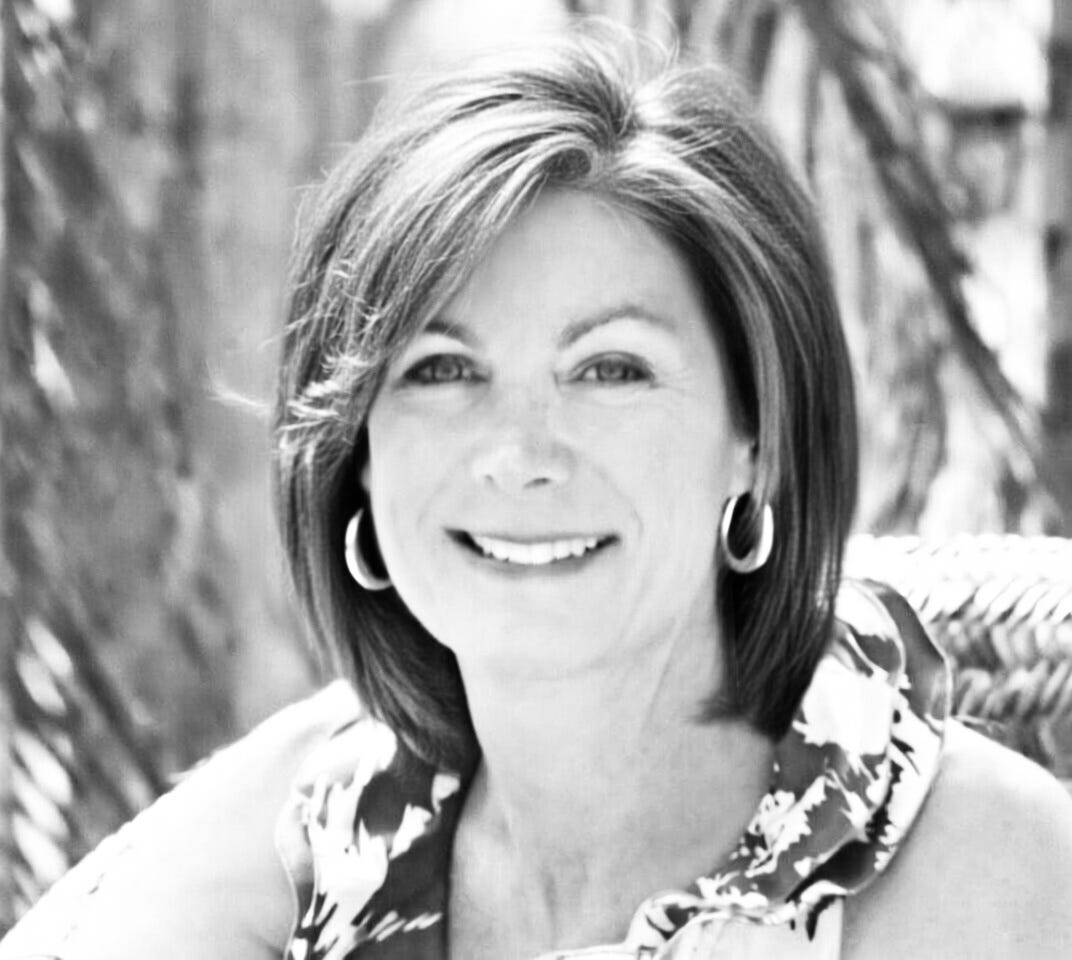
I’m Mary Ann Rollano, RN — a critical care nurse turned award-winning botanical formulator, with a 40-year career spanning ICU, ER, critical care education, and health publishing.
I started my nursing career in the ICU. I saw the end of the road before I understood how anyone got there. Heart attacks, strokes, immune collapse — the same patterns, repeating. Stress. Dysregulation. Inflammation. Failure.
Forty years later, I trace those patterns backward to their origin. Every herb, every food, every protocol I write about comes with the mechanism: how it works at the cellular level, what the research actually shows, and where it can interrupt the cascade before it becomes a crisis.
“I love the way Mary Ann brings together such depth and understanding of plants and tea and the connections to our health and well-being.”
— Sue Senger, The Naturalized Human
What Makes This Different
What most health writers say:
Lemon balm helps with stress
Tea is calming
Take a beach walk, you’ll feel better
Rosemary improves memory
What I explain:
Lemon balm’s rosmarinic acid inhibits GABA transaminase, increasing GABA availability — here’s what that means for your stress response
L-theanine crosses the blood-brain barrier in ~30 minutes and increases alpha wave activity — that’s pharmacokinetics, not folklore
Negative ions from breaking waves increase serotonin availability — here’s the research behind why coastal air changes your mood
Researchers measured rosemary’s active compound in participants’ blood — higher levels correlated directly with better cognitive performance.
I give you the why.
What You’ll Get (Free)
Every Monday: 1% Better Mondays — one herb, one mechanism, one practice. Quick, actionable, grounded in research. Small changes that compound.
“I love your publication and always look forward to your thoughtful articles on natural healing. It’s such a beautifully curated space and a joy to read.”
— Agy, The Buffalo Herbalist
Want the Full Science?
“I supported your work because you care, not only about teas, but about people. You obviously put a great deal of work and research into the information that you deliver to us. I have grown to love teas more and expand those that I try through your educational articles. You are more than worth the subscription price!”
— Kemira, paid subscriber
Upgrade to access Thursday Deep Dives — my twice-monthly mechanism-level protocols, plus a growing library of clinical prevention science:
The science behind how each herb or practice works in the body — not just that it works, but the biological why, with citations from peer-reviewed research
Limitations, contraindications, and what the research doesn’t yet support
Exact preparation instructions and dosing
Monthly Q&As
Nearly 90% of healthcare spending treats disease after it happens. This newsletter is about the science of what happens before — and how to interrupt it.
Get Full Access Today!
The information on this site is provided for general informational purposes and should not be considered medical advice. Consult a licensed professional for guidance on your specific situation.
